Reagan

Clean Buildings Ecosystem Assessment for Washington

It is critical to understand the current state of the building ecosystem before developing a framework, roadmap, or other work connected to scaling clean buildings efforts. SCALE 2030: Clean Buildings Ecosystem Assessment for Washington compiles existing data and research from state, regional, and federal sources to develop a holistic view of the existing building ecosystem in Washington.

The findings in this paper inform the strategies presented in SCALE 2030: Clean Buildings Transition Framework for Washington.
Explore key findings below:

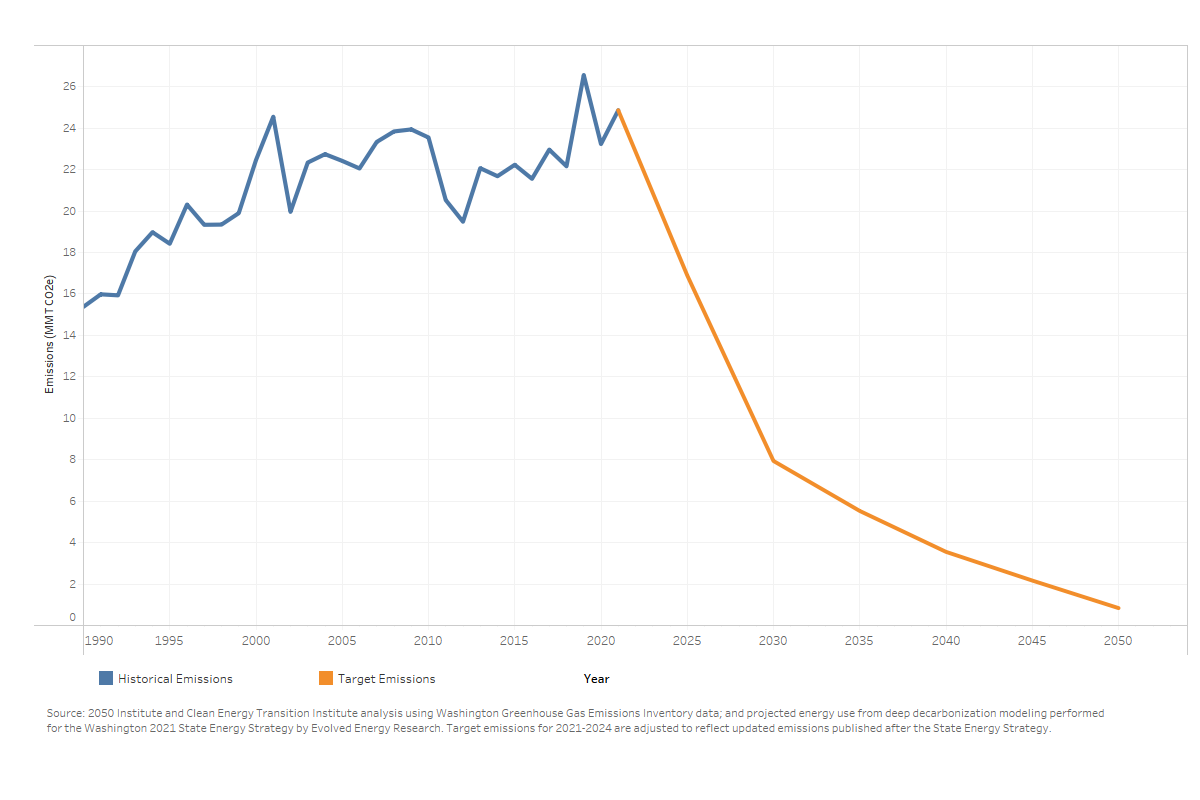
Emissions and Energy Use

Building Types

Geographic Distribution

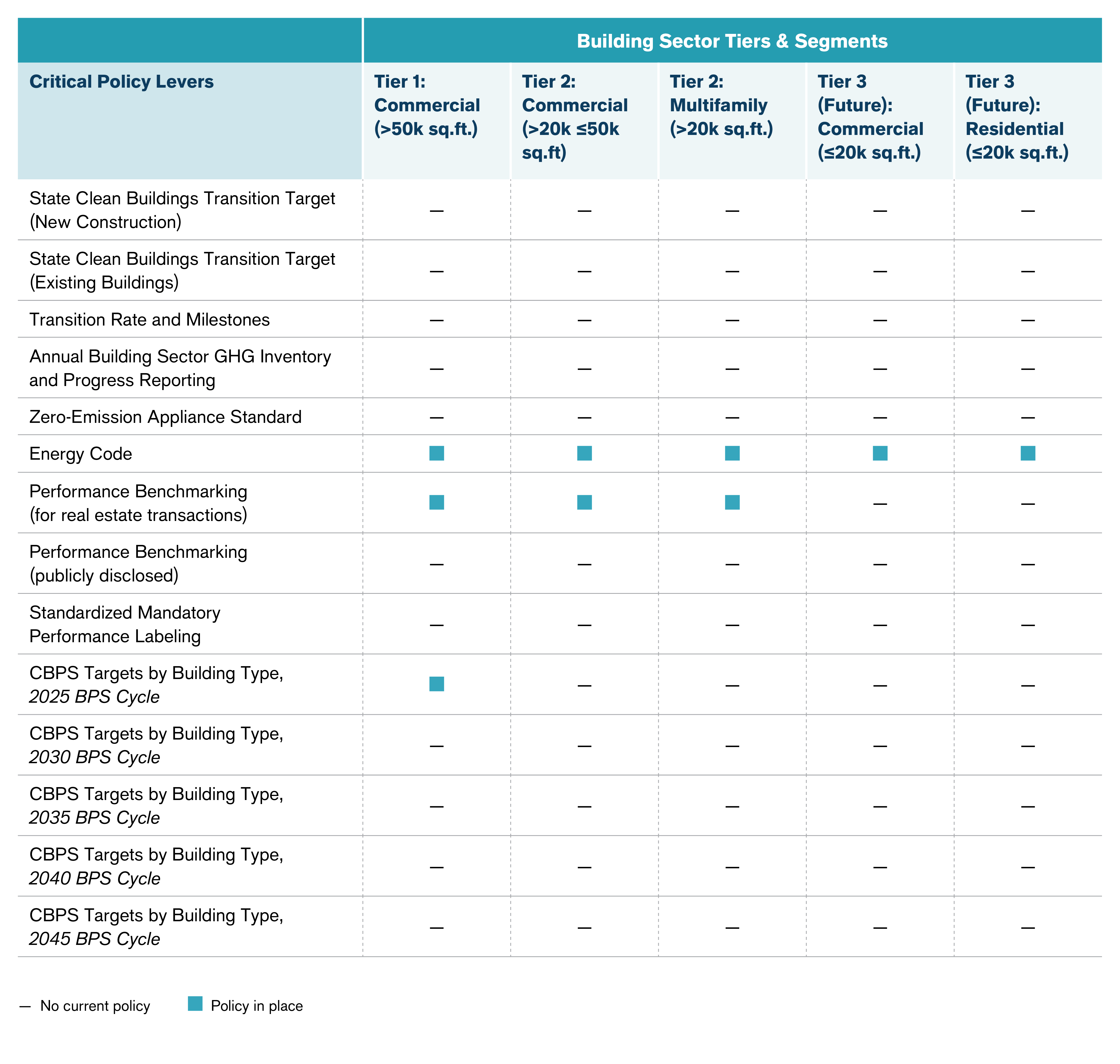
Building Sector Policies

Barriers

  • Lack of tracking and accountability
  • Policy gaps
  • Lack of alignment between market actors and policy goals
  • Low awareness of technologies and value proposition of upgrades, and lack of time to acquire knowledge; building owners and occupants, contractors
  • High costs of building energy upgrades, and limited access to grants, incentives, or loans
  • Inconsistent access to clean buildings services and technologies across the state
  • Limited funding

Opportunities

  • Strong building code for new buildings
  • CBPS reducing energy use in large existing buildings
  • Conservation targets in I-937 that drive energy efficiency programs
  • NEEA’s existing market transformation success and exploration of whole building performance focus
  • CCA funding
  • CETA driving clean electricity
  • New Washington Builds green bank launching programs that will increase access to finance and bring in private capital
Existing policies, programs, and market transformation efforts provide starting points for achieving a zero-emission, highly efficient, modernized building stock. However, changes are needed to deliver complete policies and regulatory pathways that could transform and modernize the building stock. Successfully making these changes is critical to meet Washington’s goal of 95% emissions reductions from 1990 levels and net-zero emissions by 2050.
SIGN UP FOR CETI'S MAILING LIST
ROADMAPABOUT SCALE 2030CONTACTPrivacyDONATE to ceti
Seattle, WA